Suburban properties across Fort Bend, Harris, and Waller counties encounter acute rodent pressure due to rapid expansion into native coastal prairie and continuous moisture along the Willow Fork drainage network. Roof…
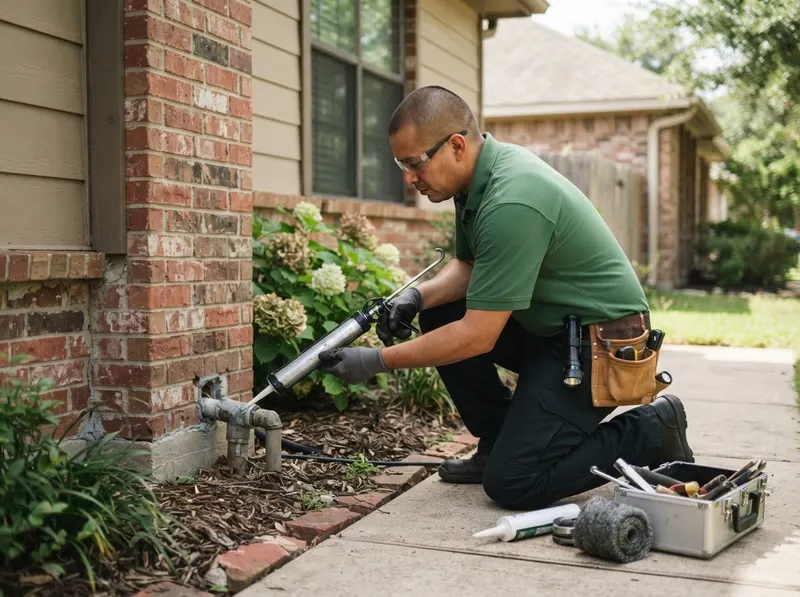
Suburban properties across Fort Bend, Harris, and Waller counties encounter acute rodent pressure due to rapid expansion into native coastal prairie and continuous moisture along the Willow Fork drainage network. Roof rats routinely exploit architectural vulnerabilities common to modern home construction, including unprotected brick weep screeds, open soffit transitions, and plastic attic ridge vents. Standard pest treatments that rely on anticoagulant bait blocks inside attics create severe secondary problems, as poisoned rodents frequently expire within interior wall voids, producing biohazard odors and pest fly blooms that threaten indoor air quality. True structural exclusion replaces recurring chemical broadcast treatments with permanent hardware installations. Technicians seal gable vents with galvanized quarter-inch steel hardware mesh, pack weep gaps with corrosion-resistant metal mesh, and secure plumbing line penetrations along exterior foundation stem walls. When homes in master-planned communities like Cinco Ranch, Grand Lakes, or Firethorne feature expansive, mature live oaks touching fascia boards, roof-level bridge sealing becomes mandatory to eliminate roofline highways.
The mechanical removal sequence operates strictly inside the sealed building envelope. Once exterior access points are mechanically closed, snap traps and multi-catch stations capture remaining animals within the attic space, allowing direct carcass removal rather than decomposition behind drywall. If an infestation involves an isolated garage bay or an exterior detached shed, a focused mechanical trapping setup provides an efficient resolution; however, when chewing noises occur above bedroom ceilings or attic insulation contains fecal contamination, comprehensive whole-home roofline sealing represents the correct long-term investment. The logistical trade-off centers on upfront capital: targeted single-room trapping carries a lower entry cost but leaves unsealed construction gaps vulnerable to new prairie rodent colonies arriving next season, whereas physical whole-house exclusion demands higher initial labor to permanently eliminate structural access. In newer developments such as Elyson, Cane Island, and Silver Ranch, dynamic movement in Katy's expansive clay soils creates shifting expansion gaps around air conditioning lines and natural gas service entrances. Sealing these shifting ground-level voids ensures family play zones and pantry storage areas remain isolated from contamination without introducing volatile residues near children and pets. Step one entails an attic and roofline audit. Step two implements exterior steel-gauge exclusion sealing. Step three executes focused mechanical extraction. Step four completes the targeted sanitization of contaminated surfaces.
Every job gets a firm, written price after a free on-site visit.
Tell us about your rodent exclusion and removal job in Katy and we'll send a clear, written quote, usually the same day.
 Brazos Oak Pest Control